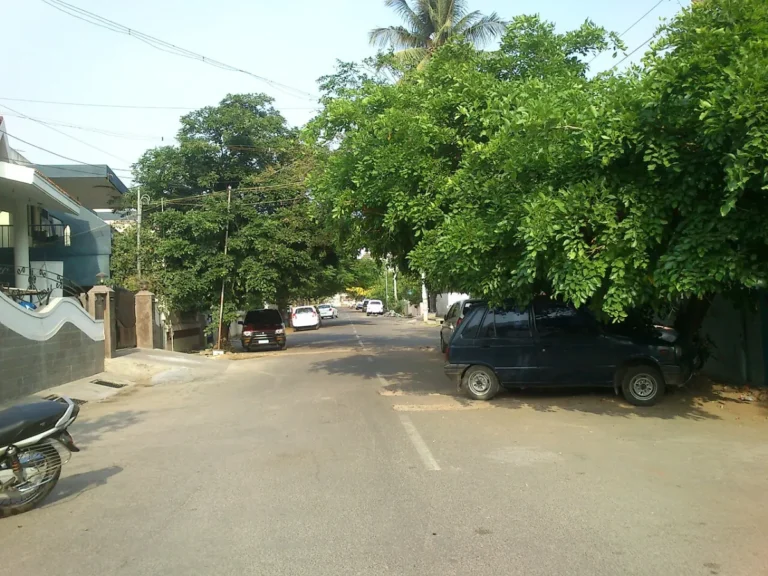
To sell a plot in Tamil Nadu, you need three things, in this order: clean papers, the right buyer and a registered sale deed. Most delays come from the first one. Buyers of vacant land check records far more closely than buyers of a house, because there is no building to look at, only a piece of ground and a file of documents.
This guide lists every document you need, explains where each one comes from, and walks you through the sale from pricing to registration. It is written for owners of house sites (residential plots) in towns and cities, including plots you bought, built up over years, or inherited.
Table of Contents
Why selling a plot is different from selling a house
When you sell a house, buyers look at rooms, water and parking. When you sell a plot, they look at land records. Their advocate will match your survey number, extent (area) and boundaries across several documents. If any one of them disagrees, the sale stalls.
Vacant land has other risks too. Nobody lives on it, so encroachment (someone occupying or fencing part of it) can go unnoticed. Boundary stones get moved. Layout roads may never have been handed over to the local body. A careful buyer will ask about all of these.
It also helps to know who usually buys plots. Families planning to build their own house want a clear title and a bank loan. Investors care more about price and the growth of the area. A neighbour may want your plot to extend their compound and may pay well for convenience. Knowing your likely buyer shapes how you price and describe the land when you sell a plot in Tamil Nadu.
The good news is that most of these checks are in your hands. If you prepare before listing, you can sell a plot much faster than an owner who starts searching for papers only after a buyer calls.
Documents to sell a plot: the complete list
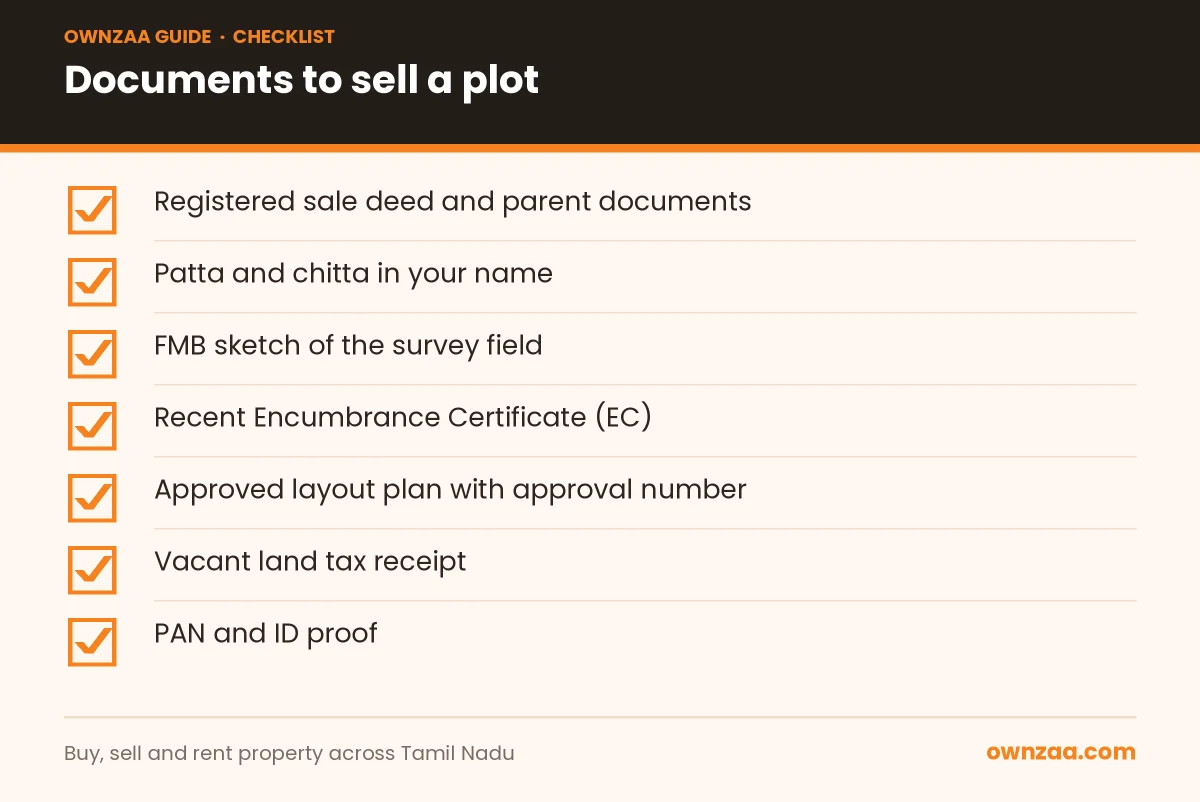
Here are the documents to sell a plot in Tamil Nadu, what each one proves and where it usually comes from. Your buyer’s advocate may ask for more, but this set covers most sales.
| Document | What it proves | Where to get it |
|---|---|---|
| Sale deed (title deed) | You own the plot | Your original; copy from TNREGINET |
| Parent documents | How ownership passed to you | Previous owners’ deeds |
| Patta and chitta | Revenue record in your name | Tamil Nadu e-services portal |
| FMB sketch | Shape and size of the survey field | Tamil Nadu e-services portal |
| Encumbrance Certificate | Registered loans or sales on the plot | TNREGINET |
| Layout approval copy | Plot is in an approved layout | Promoter, DTCP/CMDA or local body |
| Vacant land tax receipt | Local body dues are paid | Corporation, municipality or panchayat |
| PAN and ID proof | Your identity, for deed and TDS | Your own records |
A few terms explained: patta is the revenue record showing who owns the land; chitta is the village-level land record linked to it; the FMB (Field Measurement Book) sketch is the official map of the survey field; and an EC (Encumbrance Certificate) lists registered transactions such as sales and mortgages.
If the plot came from a regularised layout, keep the regularisation order too. If you took a loan against it, keep the loan closure letter and the release deed.
Check the patta before you sell a plot
Patta problems stop more plot sales than anything else. Before you sell a plot, open the Tamil Nadu e-services portal and view the patta and chitta for your survey number. Check three things: your name, the survey and subdivision number, and the extent.
If the patta is still in the previous owner’s name, apply for transfer now. The state’s online patta transfer service is at Tamil Nilam citizen portal. Buyers and banks rarely proceed while patta is pending, because it signals that the revenue record does not match the deed.
A common issue is a joint patta, where one patta covers many owners in the same survey number. Our guide on joint patta vs separate patta explains why buyers prefer a separate one. For step-by-step screens, see how to check patta online in Tamil Nadu.
Layout approval and regularisation
Buyers will ask, “Is this an approved plot?” They mean: was the layout approved by the planning authority? Outside the Chennai metropolitan area, layouts are generally approved by DTCP (the Directorate of Town and Country Planning) or the local body. Inside the Chennai metropolitan area, CMDA (the Chennai Metropolitan Development Authority) approves them.
Keep a copy of the approved layout plan with the approval number and your plot number marked. If your plot was in an unapproved layout, Tamil Nadu introduced a regularisation scheme in 2017 and has extended its deadlines over time. Our explainer on unapproved plot regularisation covers the process; check the current status with DTCP or your local body.
This matters for price and speed. Many buyers need a bank loan, and banks are often cautious about plots without clear approval. A plot with approval papers ready usually attracts more serious enquiries.
Measure the plot and mark the boundaries
Before you sell a plot, walk the boundary with your layout plan in hand. Are the corner stones in place? Has a neighbour’s wall crept in? Is the layout road still open to the width shown on the plan?
If you are unsure, hire a licensed surveyor to measure the plot and fix the stones. Buyers trust a plot that is fenced or clearly marked. Keep the measurements handy in both square feet and cents, because buyers in Tamil Nadu use both.
| Unit | Equal to |
|---|---|
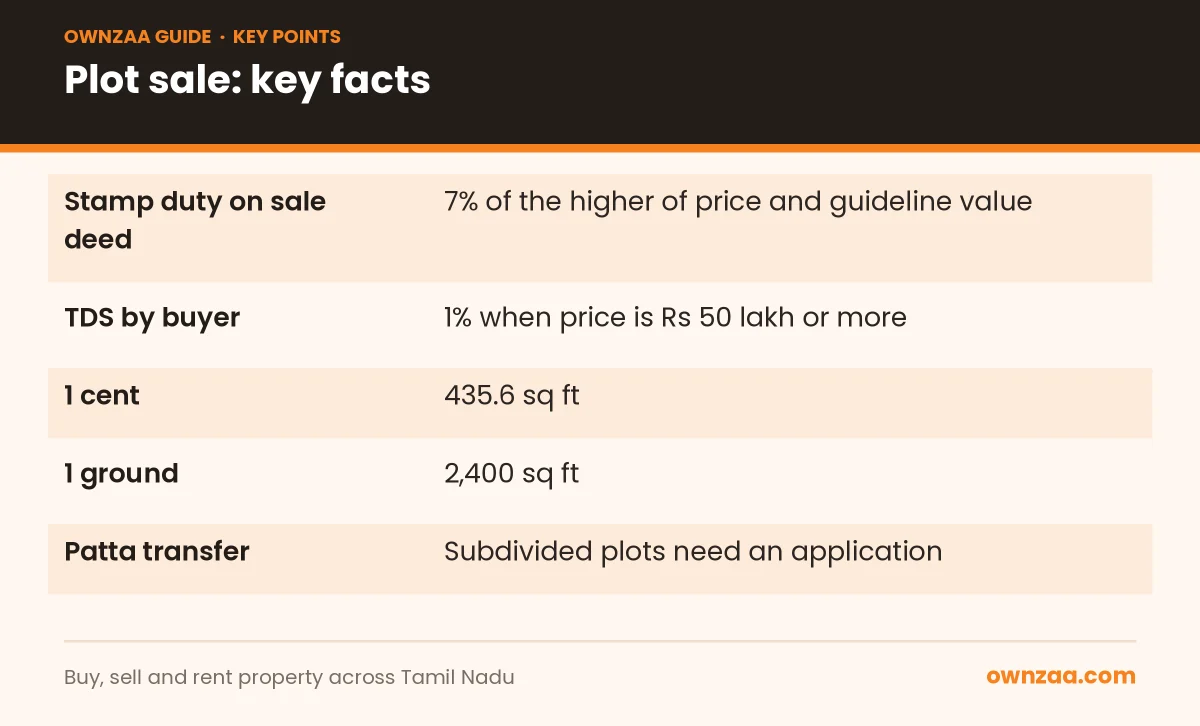
| 1 cent | 435.6 sq ft |
| 1 ground | 2,400 sq ft |
| 1 acre | 100 cents or 43,560 sq ft |
| 1 sq m | About 10.764 sq ft |
For conversions and examples, see our land measurement guide for Tamil Nadu. Always quote the area exactly as it appears in your deed, and mention any difference you find on the ground.
Clear dues, loans and disputes first
Download a fresh EC for your plot and read every entry. A mortgage that you repaid years ago may still show as open if the release deed was never registered. Fix that before listing.
Next, pay any vacant land tax due to your corporation, municipality or panchayat, and keep the receipt. Buyers ask for it, and dues can delay the sale.
For plots in village or fringe areas, buyers may also check the A-register (the village land register showing land classification) and the adangal (the village account kept by the VAO showing land use). They want to confirm the land is not poramboke, meaning government land such as a water body or road, which cannot be sold privately. Our guide on poramboke land explains why this matters. If your plot sits on land converted from farm use, keep the conversion or approval papers ready.
Finally, be honest about disputes. If there is a pending case, a boundary quarrel or a family objection, speak to an advocate first. Hiding it rarely works, because a buyer’s advocate will usually find it.
Selling an inherited or jointly owned plot
If the plot came to you through inheritance, the buyer will need proof that every legal heir agrees. This usually means a death certificate, a legal heir certificate from the Tahsildar (typically applied for through e-Sevai), and the signatures of all heirs on the sale deed, or release deeds in favour of the heir who is selling.
We explain the full process in our guide to selling inherited property in Tamil Nadu. The key point for plot sellers is simple: sort out the family paperwork before you advertise. A buyer who hears “my brother will sign later” usually looks elsewhere.
If one co-owner lives abroad, they can sign through a power of attorney. A power of attorney executed abroad must be attested at an Indian embassy or consulate, or apostilled, and then stamped in India within the prescribed time.
Pricing a plot: what buyers compare
Plot prices in Tamil Nadu are usually quoted per square foot in towns and per cent on the edges of towns and in villages. Start with the guideline value for your street or survey number on TNREGINET. Then look at asking prices of similar plots nearby.
Adjust for the features buyers notice:
- Road width in front of the plot and whether it is a corner plot
- Shape (a regular rectangle is easier to build on than an odd shape)
- Facing, which some buyers care about for Vastu
- Level of the land compared to the road, especially in low-lying areas
- Distance to the main road, bus route, school and shops
- Whether EB lines and water supply reach the street
Illustrative example, round numbers: a plot of 2,400 sq ft (one ground) at Rs 2,000 per sq ft works out to Rs 48 lakh. The same plot at Rs 2,100 per sq ft becomes Rs 50.4 lakh, which also crosses the Rs 50 lakh TDS line for the buyer.
Steps to sell a plot in Tamil Nadu
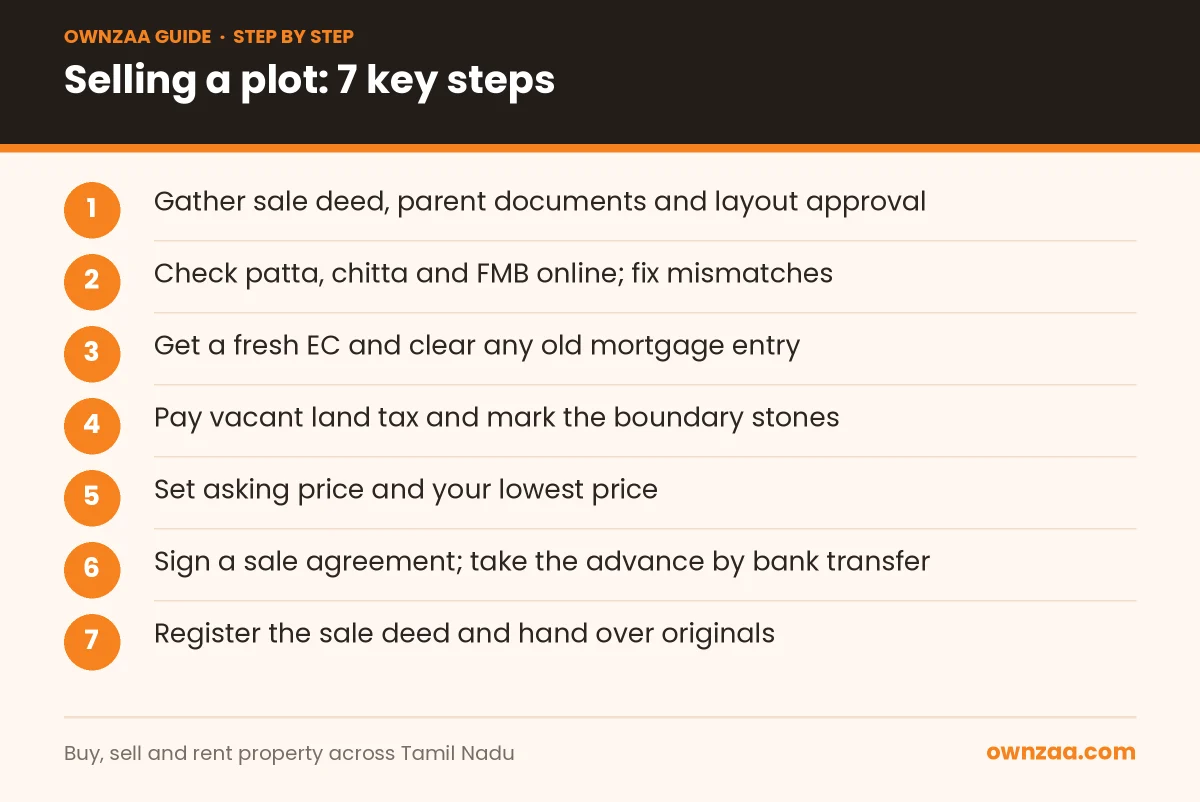
Here is the full sequence. Doing these in order saves weeks.
- Collect the sale deed, parent documents and layout approval copy.
- View patta, chitta and FMB online and fix any mismatch.
- Download a fresh EC and clear any old mortgage entry.
- Pay vacant land tax dues and keep the receipt.
- Walk the boundary; get a surveyor if stones are missing.
- Decide your asking price and lowest price.
- List the plot with photos, location and document status.
- Sign a sale agreement drafted by an advocate and take the advance by bank transfer.
- Register the sale deed at the Sub-Registrar office and hand over originals.
Listing and showing a vacant plot
An empty plot is hard to judge from one photo. Show the plot from each corner, the road in front, the nearest junction and any landmark buyers will recognise. Share a map pin so buyers can find it without calling you for directions.
In the listing, state the area, the survey number, the approval status and the patta status in plain words. For a broader view of what makes buyers call, read our seven tips to sell your property faster. You can also browse plots listed on OWNZAA to see how others describe theirs.
A clear listing reads something like this: “2,400 sq ft residential plot, DTCP-approved layout, separate patta in owner’s name, 30 ft road, corner plot, EB line on the street.” Every fact in that line should be true and backed by a document. When you sell a plot with a listing this specific, the calls you get come from buyers who already like the basics.
For site visits, meet the buyer at the plot in daylight. Bring copies of the deed, patta and layout plan, not originals. If the buyer wants to bring a surveyor, agree. It shows they are serious.
Registration, TDS and tax after you sell a plot
The sale becomes final when the sale deed is registered at the Sub-Registrar office for the plot’s area. Slots are booked online through TNREGINET. Stamp duty on a sale deed is 7% of the market value, meaning the higher of the sale price and the guideline value. Check the current registration fee on the portal.
On the day, you, the buyer and two witnesses attend with ID proof. The Sub-Registrar office records photographs and thumb impressions, checks the stamp duty paid, and registers the deed. Hand over the original documents and the latest tax receipt once the deed is registered and the full payment has reached your account.
If the price is Rs 50 lakh or more, the buyer deducts 1% TDS (tax deducted at source) from the payment. Give your PAN so the deduction is credited to you.
After registration, patta must move to the buyer’s name. If you sold the whole survey number, the transfer often happens automatically. If you sold part of a survey number, a subdivision application is needed. Your tax on the gain depends on how long you held the plot; speak to a chartered accountant before filing.
Mistakes that stall plot sales
These are the problems advocates see again and again when owners sell a plot in Tamil Nadu:
- Patta still in the old owner’s name, or showing a different extent
- An old loan that was repaid but never released on the EC
- Missing parent documents for one link in the chain
- One legal heir who has not signed or released their share
- Boundary stones missing and a neighbour’s fence on the plot
- Advertising a plot as “approved” without an approval number
Each of these can be fixed. It just takes time, and that time is better spent before a buyer is waiting.
Frequently asked questions
What documents do I need to sell a plot in Tamil Nadu?
You need your registered sale deed, parent documents, patta and chitta in your name, the FMB sketch, a recent Encumbrance Certificate, the approved layout plan, vacant land tax receipts, and your PAN and ID proof. If the plot is inherited, add the death certificate and legal heir certificate. A buyer’s advocate may ask for a few more papers depending on the history.
Can I sell a plot if the patta is not in my name?
Legally the sale deed transfers ownership, but most buyers and banks will not proceed until the patta matches the deed. Apply for patta transfer on the state’s online service first. It is usually quicker to fix this before listing than to lose a buyer halfway through the deal.
Can I sell a plot in an unapproved layout?
Selling it is possible, but many buyers and banks avoid such plots. Tamil Nadu has a regularisation scheme for unapproved plots and layouts, introduced in 2017 with extended deadlines. Check with DTCP or your local body whether your plot can be regularised, and complete that before you sell a plot of this kind.
Who pays stamp duty on a plot sale?
In practice the buyer usually pays stamp duty and the registration fee, but you and the buyer can agree otherwise. Stamp duty on a sale deed in Tamil Nadu is 7% of the higher of the sale price and the guideline value. Write the agreed split into the sale agreement so there is no argument later.
How is capital gains tax worked out on a plot sale?
It depends on how long you held the plot and the rules in force when you sell. Property held for more than 24 months is treated as long-term. The rates and indexation rules changed in 2024, and the new Income-tax Act applies from April 2026, so ask a chartered accountant to work out your tax.
Do I need to be present to sell a plot?
Yes, unless you appoint someone through a registered power of attorney. You must sign the sale deed at the Sub-Registrar office with ID proof. If you live abroad, the power of attorney must be attested or apostilled and then adjudicated in India within the prescribed time before it can be used.
Next steps
Start with the patta and EC this week. Those two documents decide how smoothly you can sell a plot. Once they are clean, fix your price and prepare clear photos and a map pin.
When your papers are ready, list your plot on OWNZAA for free. Buyers contact you directly by call or WhatsApp, and OWNZAA charges no commission on the sale. You can also apply for the Verified badge by sharing your ID and ownership proof. It tells buyers the listing was reviewed, though it is not a guarantee of title, so buyers will still do their own checks.
This guide is general information, not legal or tax advice. Rules and fees change — confirm current details on the official portals linked above or with a qualified advocate/chartered accountant before you act. Information checked: September 2026.
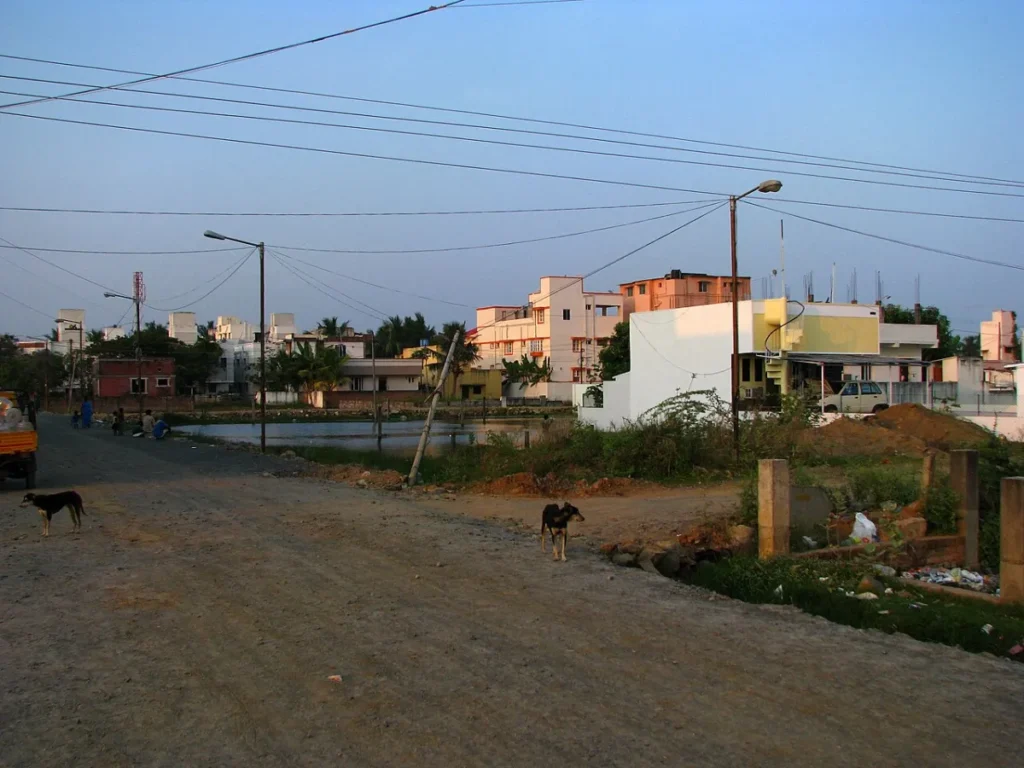
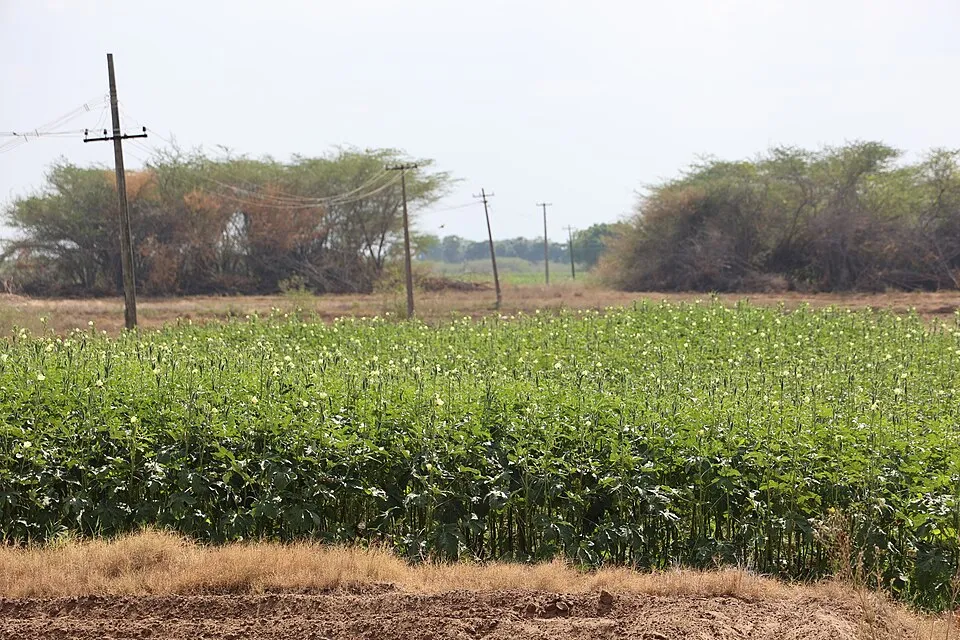
Image credits: top photo — India – Chennai – new Tansi Nagar subdivision in Velachery Tharumani (2229566117) by McKay Savage from London, UK, CC BY 2.0, via Wikimedia Commons (resized); in-article photo — Okra farming land, agriculture of Ramanathapuram, bhindi, ladies finger farming by Karthik jeyaraman, CC BY 4.0, via Wikimedia Commons (resized); infographics — OWNZAA.
Ready to find your next property?
Browse verified listings for sale and rent across South India, or post your own property — your first listing is free.