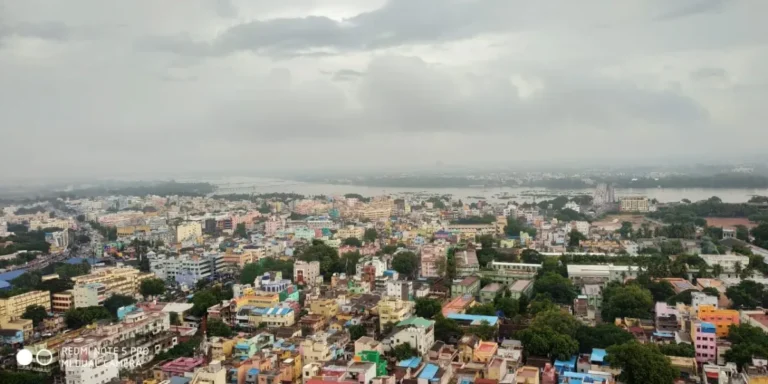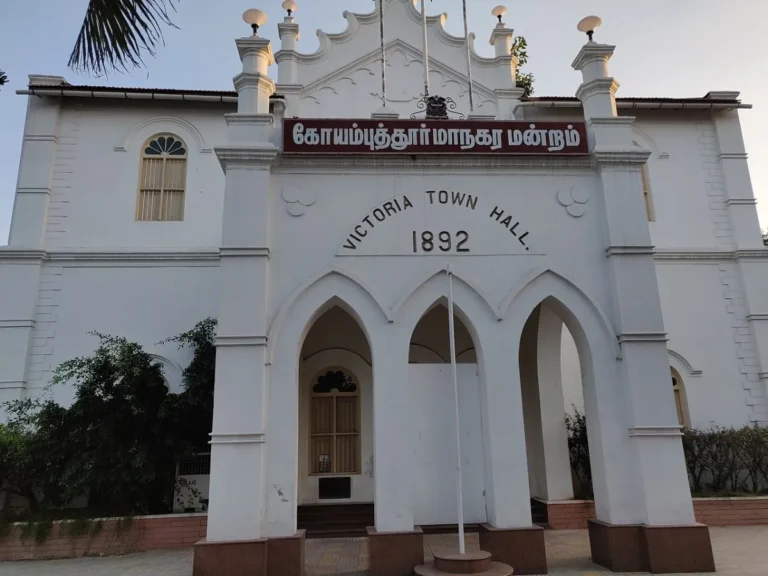
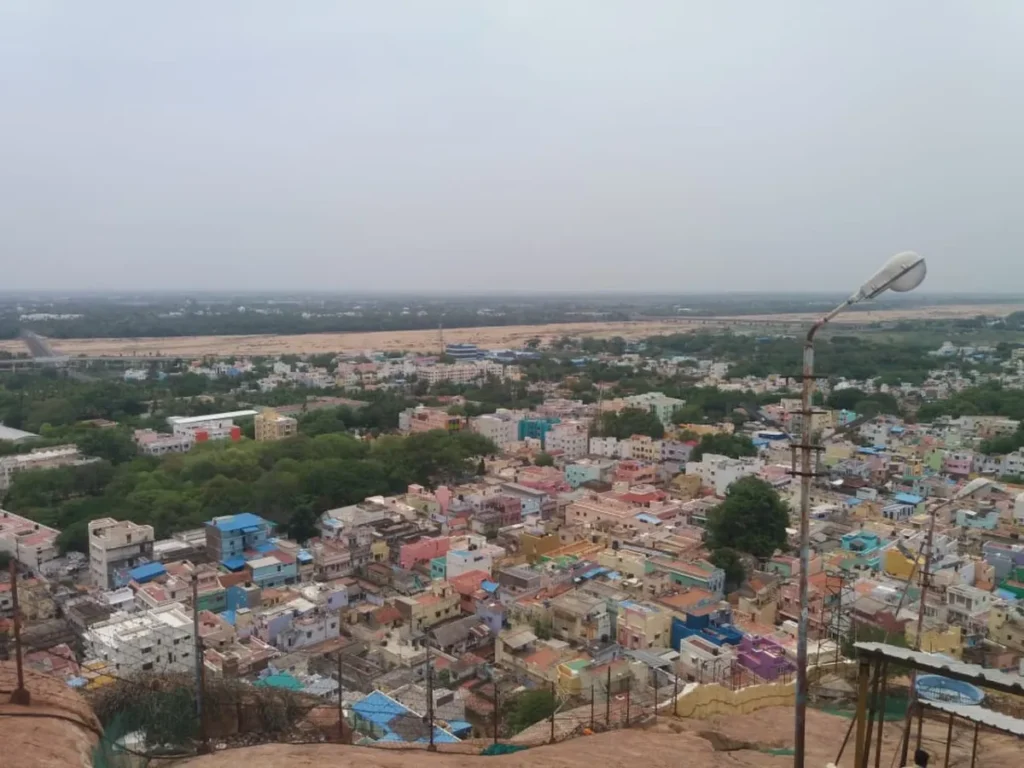
Which are the best areas to live in Salem? The honest answer is: it depends on where you work, who lives with you and how much daily travel you can accept. The best areas to live in Salem for a retired couple are rarely the same as those for a young family or a shop owner.
Most property portals show only listing pages for Salem, with no explanation of the city itself. This guide fills that gap. It describes the main parts of the city in plain words, without ranking them, and gives you a simple way to shortlist areas that suit your life.
Use it as a starting map. Then visit, talk to residents and check water and travel for yourself.
Table of Contents
How to judge the best areas to live in Salem for you
Before you look at any locality, write down what matters most to your household. A shortlist built on your needs is more useful than any “top areas” list, because every area in Salem has trade-offs.
| Your need | What to check in an area |
|---|---|
| Short commute | Travel time at peak hours, not on a Sunday |
| Children’s school | School bus routes and pick-up points |
| Elderly parents | Distance to hospitals and pharmacies |
| Steady water | Corporation supply days, borewell depth, sump size |
| Quiet evenings | Distance from main roads, markets and bus routes |
| Future resale | Road width, approvals, nearby development |
Budget and home type also narrow your list of the best areas to live in Salem. Independent houses with some open space are common in older residential streets and on the outskirts. Apartments are more common near main roads and in newer projects. Portion houses, where one building is split into separate rented units, are common in older neighbourhoods and suit smaller budgets.
Rank these for your family. When two areas look equal, the top item on your list decides. This is the simplest way to find the best areas to live in Salem for your situation rather than someone else’s.
A quick map of Salem in plain words
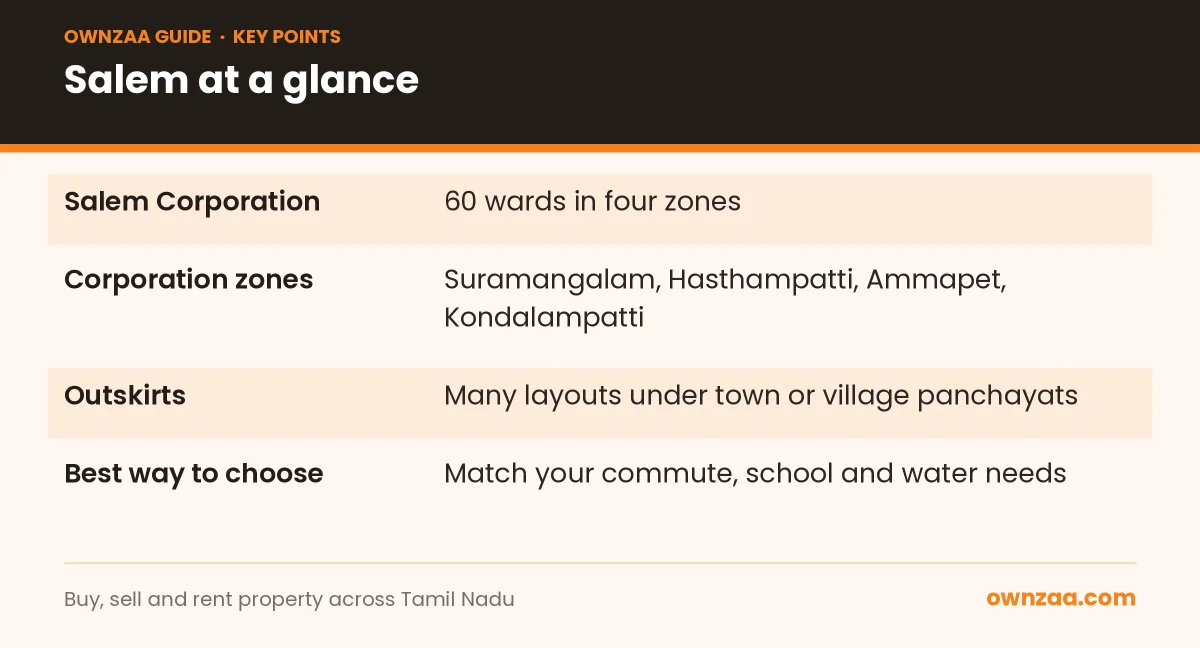
Salem City Municipal Corporation has 60 wards in four zones: Suramangalam, Hasthampatti, Ammapet and Kondalampatti. Beyond the corporation limits, many newer residential areas in Salem fall under town panchayats and village panchayats. That matters because property tax, water supply and building approvals are handled by whichever local body covers the street.
The Shevaroy Hills, with Yercaud on top, rise to the north of the city. The main highways run toward Bengaluru, Chennai, Namakkal and Coimbatore, and a bypass carries much of the through traffic. Salem Junction railway station, the new bus stand, the old town bus stand and the airport near Omalur are the travel points most residents use.
Think of the city in broad belts: the western residential side, the central market area, the northern and eastern side, the southern highway side, the foothills, and the growing outskirts. The sections below describe each one qualitatively. No belt is better than the others overall; each can hold the best areas to live in Salem for a particular household. For listings in any of these residential areas in Salem, see properties in Salem on OWNZAA.
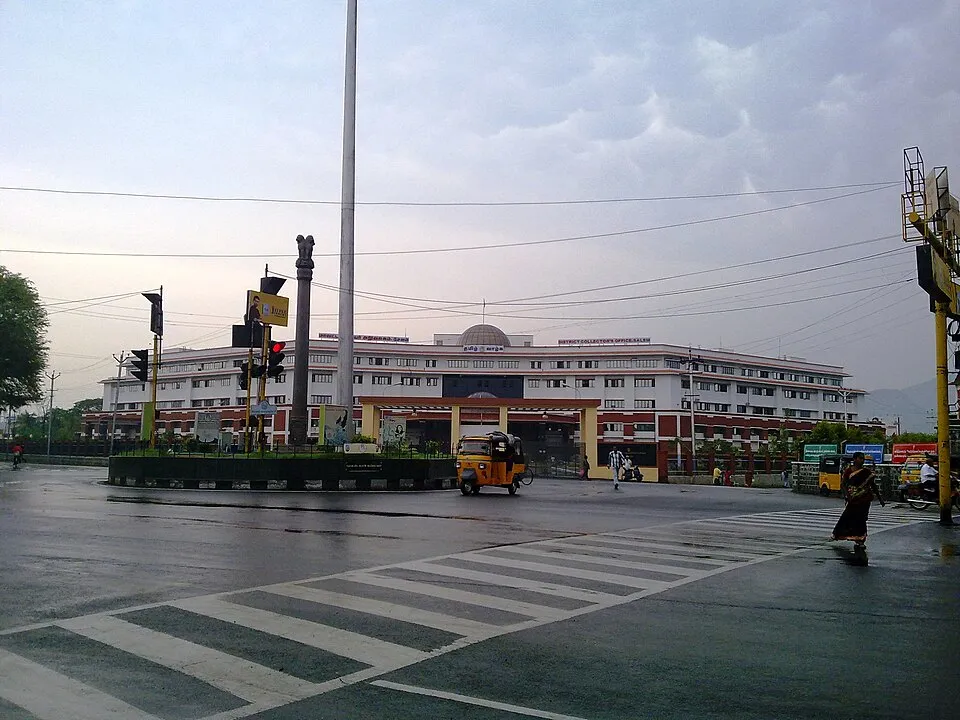
The western residential belt: Fairlands, Alagapuram, Swarnapuri and Hasthampatti
This side of the city is mostly residential, with established streets, schools, clinics and shops close by. It is often preferred by families and by people who want a settled neighbourhood. Many plots here were developed decades ago, so you will see independent houses alongside newer apartment blocks. For many families, this belt is where the search for the best areas to live in Salem begins.
Older buildings here need a closer look. Check the age of the structure, the condition of the terrace and whether the house has parking inside the compound. On narrow inner streets, a car parked outside can block a neighbour’s gate, which becomes a daily irritation.
The trade-off is that main roads through these areas have become busier, and some homes on those roads have turned into shops or offices. Inner streets are usually quieter. Asking prices and rents here tend to reflect the established nature of the area, so compare carefully.
We have separate guides for this belt. Read our Fairlands renting and buying guide and our Hasthampatti and Alagapuram neighbourhood guide for street-level detail.
Central Salem and the old town markets
The older heart of Salem, around Shevapet, Gugai and the market streets such as Chinnakadai Street, is busy and full of character. Wholesale and retail trade, temples, textile shops and eateries sit close together. For people who work in trade, living here can mean walking to work.
The downsides are narrow streets, heavy daytime crowds and limited parking. Houses are often older, and many are portion houses (a large house divided into separate rented units). If you choose central Salem, check drainage, parking and the condition of the building closely.
Festival days and weekend shopping bring extra crowds to these streets. Visit on a busy evening, not only on a quiet morning. For traders who want to walk to their shop, though, the old town can still be one of the best areas to live in Salem, because the daily commute almost disappears.
Suramangalam, Ammapet and the northern and eastern side
Suramangalam, near Salem Junction, suits people who travel by train often. It has a mix of older residential streets and busier commercial roads. Ammapet, on the eastern side, is an older part of the city with dense neighbourhoods and local markets.
Further east along the Chennai road, places such as Ayodhiyapattinam have seen newer houses and layouts. These can offer more space for the money, but daily travel into the city centre takes longer. Check the bus frequency on your route and the time it takes at 9 am, not at noon.
Among Salem localities, this side is the most mixed. Two streets a few minutes apart can feel very different, so visit the exact street you are considering.
The southern highway side: Kondalampatti and Seelanaickenpatti
The southern side of the city lies along the highway bypass toward Namakkal and Madurai. Kondalampatti and Seelanaickenpatti are well known for their highway junctions. This side often suits people who drive out of the city regularly, such as those working in nearby towns or running transport and distribution businesses.
Newer layouts and apartments have come up here. The questions to ask are about noise near the bypass, safe crossings for children, and how the area handles heavy rain. Houses a little away from the main road are usually calmer. If you drive out of the city most days, this side may suit you better than a central address, since you avoid crossing town twice a day.
Near the hills: Kannankurichi and the Yercaud road
The foothills on the northern edge, around Kannankurichi and along the road toward Yercaud, attract people who want greener surroundings and a slightly cooler, calmer setting. Some parts are close to lakes and open land.
Before you choose a home here, check how far the nearest school and hospital are, how often buses run, and whether the street has proper drainage. Land near water bodies needs extra care, because some of it may be government land that cannot be sold privately.
Yercaud is a popular weekend getaway, so the road toward the hills can get crowded on holidays and weekends. If your home is on that route, factor in the extra traffic. For people who value calm over quick access to the city centre, the foothills can still rank high on their own list of the best areas to live in Salem.
Growing outskirts: Omalur side and other corridors
Many new plots and houses are on the city’s edges, along the roads toward Omalur, Attur and Sankagiri. The Omalur side includes the airport and Periyar University at Karuppur. These outskirts often offer larger plots and new construction.
The trade-offs are distance, patchy bus service on some routes, and utilities that may still be catching up. Approvals also need care, since layouts here fall under DTCP or panchayat rules. Budget-minded buyers often include the outskirts when they list the best areas to live in Salem for building a house, and that is reasonable if they plan for the extra travel. If you are considering land, read our guide to plots for sale in Salem before you pay any advance.
| Area group | General character | Often suits |
|---|---|---|
| Western belt | Established, mostly residential | Families, retirees |
| Central old town | Busy, market-led, older homes | Traders, walk-to-work |
| North and east | Mixed old and new streets | Rail commuters, value seekers |
| Southern highway side | Newer layouts near the bypass | Frequent road travellers |
| Foothills | Greener, calmer, fewer services | People wanting quiet |
| Outskirts | New plots, larger sites | Builders of own homes |
This table is a general description, not a ranking. Streets inside each group vary a lot.
Steps to shortlist the best areas to live in Salem
Use this simple process over two or three weekends. It turns a long list of Salem localities into two or three areas you can compare properly.
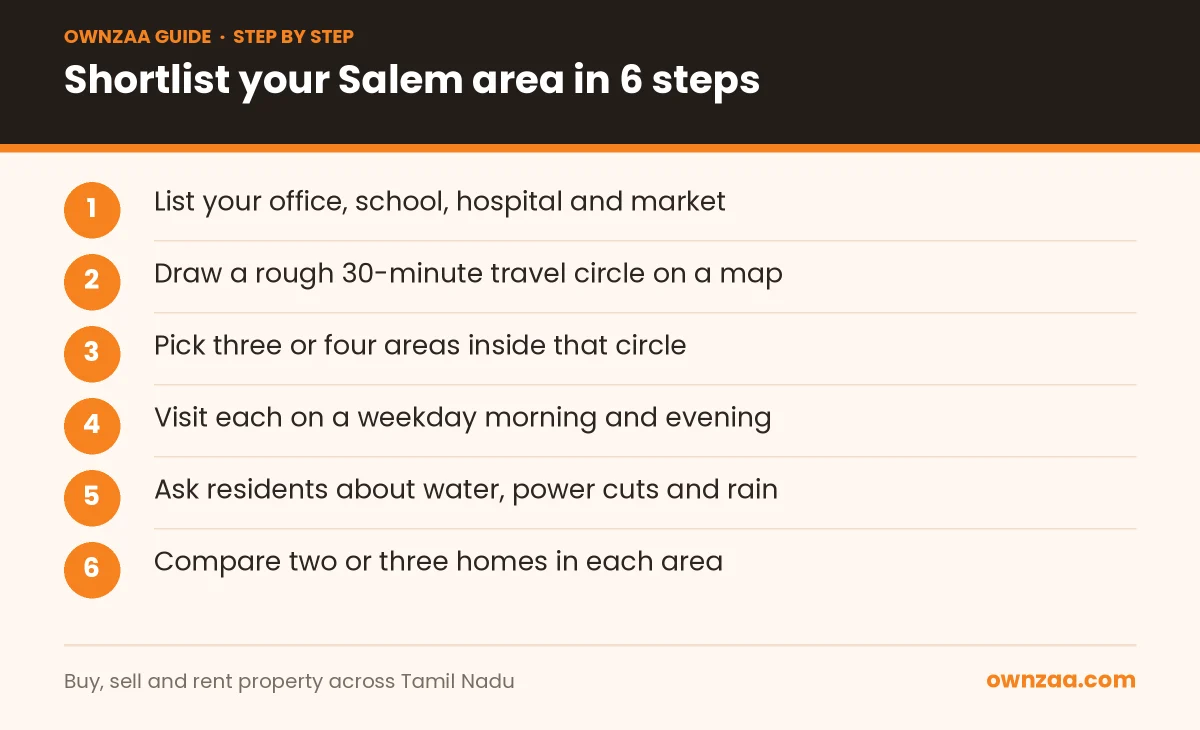
- List your daily destinations: office, school, hospital and market.
- Mark them on a map and draw a rough 30-minute travel circle.
- Pick three or four areas inside that circle.
- Visit each one on a weekday morning and again in the evening.
- Talk to a shopkeeper and a resident about water, power cuts and rain.
- Check the local body, road width and drainage for the exact street.
- Compare two or three homes in each area before you decide.
Renting or buying: how area choice changes
If you are new to the city, renting first is often wise. A year in one area tells you more than any guide. You learn which roads flood, when water comes and how long the school run really takes. Our guide to renting a house in Salem covers advances, agreements and inspection.
If you are buying, think about the next ten years, not only today. Road widening, new schools and bus routes can change an area. So can new commercial buildings next door. Our buyer’s guide to houses in Salem explains the checks to make before you pay.
For students and single professionals
For students and people living alone, the best areas to live in Salem are usually those close to their college or workplace, with food options and buses nearby. A paying guest room or a shared flat often makes more sense than a full house. Our guide to PG options in Salem covers what to check before you pay a deposit.
Either way, compare actual homes. You can browse homes for rent and homes for sale across residential areas in Salem and nearby towns on OWNZAA.
Water, drainage and power: checks for any Salem area
Salem summers are hot and dry, and water supply is the question residents raise most often. Ask how many days a week corporation water comes, whether the house has a borewell, and how big the sump (underground tank) and overhead tank are. A good sump makes irregular supply easier to manage.
Rain is the other test. Parts of the city near the Thirumanimuthar river and some lakes are low-lying, and some streets hold water after heavy rain. Visit after a rainy day if you can, and ask neighbours what happened in the last heavy spell.
For power, check whether the house has its own EB service connection, and ask about the frequency of cuts on that feeder. Neighbours usually know. These checks apply to all residential areas in Salem, whichever part of the city you choose.
Questions to ask before you settle on an area
When you visit Salem localities, carry a short list of questions. The answers matter more than the look of the house.
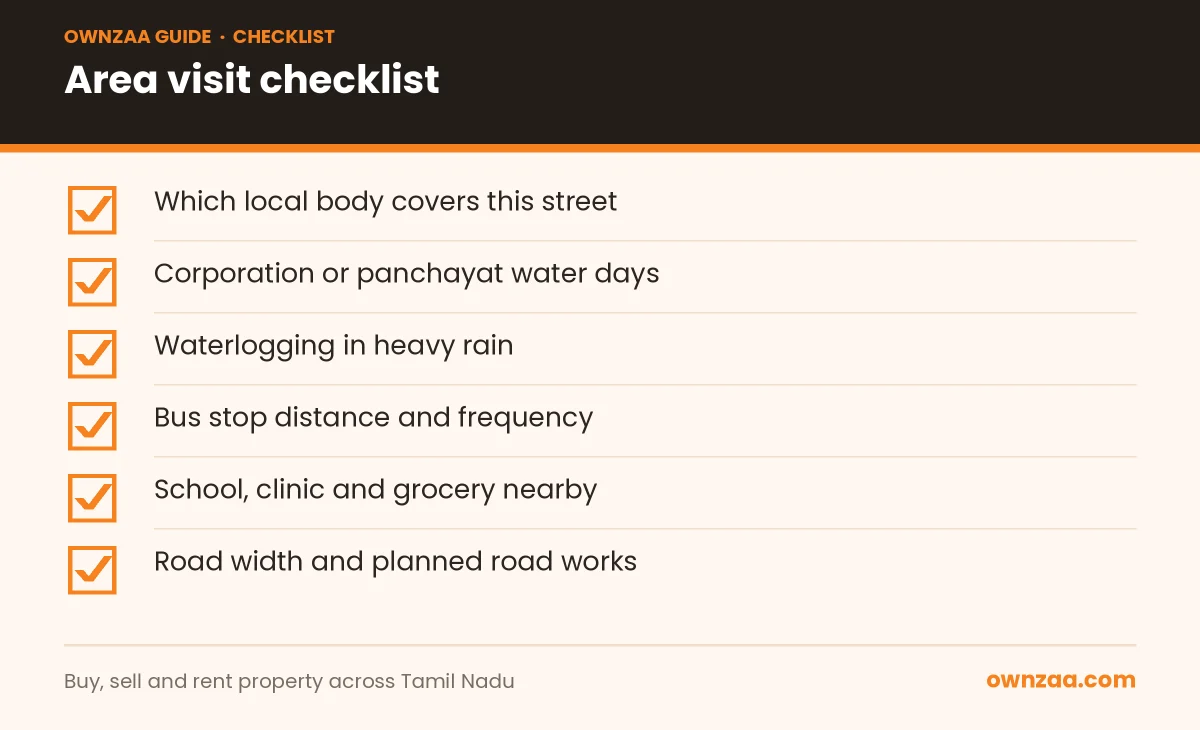
- Which local body covers this street, and where is its office?
- How often does corporation or panchayat water come?
- Does the street get waterlogged in heavy rain?
- How far is the nearest bus stop, and how often do buses run?
- Are there plans for road widening or a new commercial building nearby?
- Is there a school, clinic and grocery shop within a short walk?
Common mistakes when choosing the best areas to live in Salem
- Choosing only by a friend’s recommendation without visiting at peak hours
- Ignoring which local body covers the street
- Visiting only in the dry season and missing rain problems
- Judging all residential areas in Salem by their main road, not the inner streets
Write the answers down for each area. After three visits, the best areas to live in Salem for your family usually become clear on their own.
Frequently asked questions
Which are the best areas to live in Salem for families?
There is no single answer. Families often look at the established western belt, including Fairlands, Alagapuram, Swarnapuri and Hasthampatti, for schools and services close by. Others prefer newer layouts on the outskirts for more space. The right choice depends on your commute, school and budget, so visit two or three areas before deciding.
Is it better to live inside Salem Corporation limits?
Inside the corporation, services such as water supply, drainage and garbage collection are usually more developed. Outside it, you may find larger plots and newer homes, but services can vary street by street. Check which local body covers the address, and ask neighbours about water and roads before you rent or buy.
What are the best areas to live in Salem near the railway junction?
Suramangalam lies close to Salem Junction and suits people who take trains often. Nearby western areas such as Alagapuram and Fairlands are also a short drive away. Traffic around the junction can be heavy at peak times, so check travel time from the exact street, not just the distance on a map.
Are the outskirts of Salem a good choice for building a house?
They can be, if the plot is in an approved layout, the patta is clear and utilities reach the street. The outskirts often offer larger plots, but bus service and services may be thinner. Check DTCP or panchayat approval, road access and water availability before you buy, and allow extra time for your daily travel.
How do Salem localities differ in rent and property prices?
Prices and rents vary with the age of the area, road width, distance to the city centre and the type of home. Established residential areas in Salem often command higher asking rents than newer outskirts, but this is not a fixed rule. Compare several current listings in each area, and remember that asking prices are usually open to negotiation.
How do I find the best areas to live in Salem if I am moving from another city?
Start with your office location and draw a 30-minute travel circle. Rent in one area inside it for a year, then decide where to buy. Talk to colleagues who already live in Salem. They can tell you about water, traffic and schools in ways no listing can.
Next steps
Pick three areas from this guide that fit your commute and needs. Visit each one twice, once in the morning and once in the evening, and use the question list above. Check the local body for each street on the Salem City Municipal Corporation website or at the nearest ward office.
When you are ready to compare homes across Salem localities, OWNZAA lists houses, flats and plots in Salem, and you contact owners directly by call or WhatsApp with no commission. If you own a home in any of these areas, you can list it free as your first listing.
This guide is general information, not legal or tax advice. Rules and fees change — confirm current details on the official portals linked above or with a qualified advocate/chartered accountant before you act. Information checked: September 2026.
Image credits: top photo — Overview of salem city by Anandha abirami Govindan, CC BY 3.0, via Wikimedia Commons (resized); in-article photo — Shevapet, Salem, Tamil Nadu, India – panoramio (1) by RAJUKHAN SR RAJESH, CC BY-SA 3.0, via Wikimedia Commons (resized); infographics — OWNZAA.
Ready to find your next property?
Browse verified listings for sale and rent across South India, or post your own property — your first listing is free.