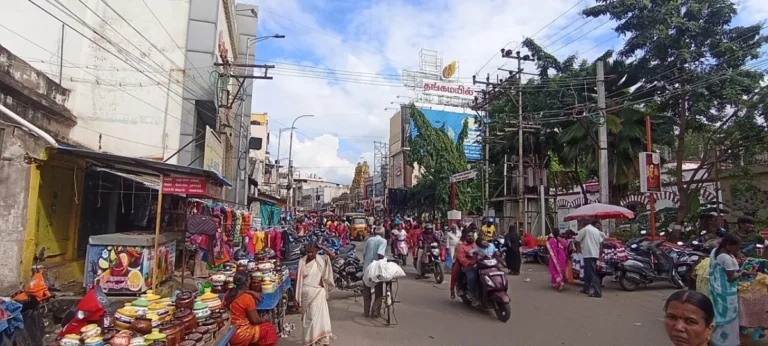

This guide explains the EB bill for tenants in Tamil Nadu, especially when several portions share one connection. It is for tenants and landlords in houses with separate portions or small buildings with a few units. You will learn how billing and free units work, how to split a shared bill fairly, what the agreement should say and how to get a separate connection. We do not quote unit numbers or tariff rates, because they change.
How domestic billing works in Tamil Nadu
Domestic electricity in Tamil Nadu is billed every two months (bi-monthly). The meter is read, and the bill is worked out on the units used on that connection during the cycle.
The government also provides a number of free units per bi-monthly cycle for domestic connections. The number and eligibility have changed over the years, including in 2026. Check the current tariff or notice from the state electricity distribution company (formerly TANGEDCO, now TNPDCL) before doing any sums.
Two points matter most for tenants:
- Free units apply per service connection. They are not given per family or per portion.
- The domestic tariff is slab-based. The charge depends on the total units used on the connection in the cycle, so one household’s heavy use can change the cost for everyone sharing it.
That is why one shared connection for several portions is such a common source of disputes.
Shared connection vs separate connections
Here is how the two set-ups compare.
| Point | One shared connection | Separate connection per portion |
|---|---|---|
| Free units | One set, shared by all portions | Each connection has its own, subject to current eligibility rules |
| Bill | One bill that must be split between households | Each household pays its own bill |
| Effect of slabs | Combined use counts together | Each household’s use is counted separately |
| Disputes | Common, especially over water motors and common lights | Rare; usually only common areas need sharing |
| Set-up | No extra work, but needs sub-meters for fair splitting | Needs an application, wiring changes and the owner’s consent |
Until a separate connection is possible, a sub-meter is the next best thing.
Sub-meters: how to calculate a fair share
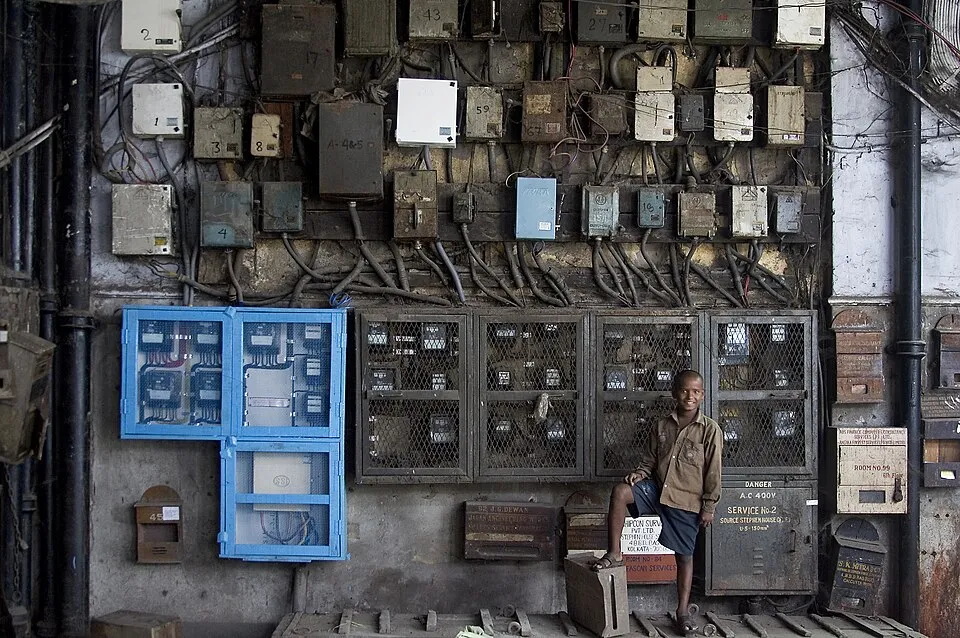
A sub-meter is a private meter that records one portion’s units. It is not the company’s billing meter; it only helps you split the official bill. Have a licensed electrician install a good-quality meter, and photograph its starting reading.
The proportional method
This method shares the whole bill, including the benefit of free units and the effect of slabs, in line with each household’s use.
- Note the units on the main meter for the billing cycle (current reading minus previous reading).
- Note the units on each sub-meter for the same dates.
- Work out each portion’s share: sub-meter units ÷ main meter units × 100.
- Apply that percentage to the total bill amount.
Illustrative example (round numbers, not real tariffs): Suppose the bi-monthly bill for the shared connection is Rs 3,000. Your sub-meter shows 40% of the units on the main meter, so the owner’s portion used the other 60%.
| Portion | Share of units | Share of the Rs 3,000 bill |
|---|---|---|
| Ground floor (owner) | 60% | Rs 1,800 |
| First floor (tenant) | 40% | Rs 1,200 |
If a common water motor or stair lighting runs on the same connection, agree in advance how to split it, for example equally.
The flat-rate method
Some owners charge a fixed rate per sub-meter unit, say Rs X per unit. It is simple, but it can be unfair if the rate ignores the free units or does not match the actual bill.
What the rental agreement should say
A clear clause on EB charges should cover:
- Whether the home has its own connection, a shared connection with a sub-meter, or another arrangement
- The method for splitting a shared bill, ideally with a worked example
- How common loads, such as the water motor, are shared
- Who pays the electricity company, by when, and how the tenant repays their share
- The move-in meter readings, with dates
- How the final bill will be settled at move-out
Once signed, register the agreement with the Rent Authority, as the tenancy law requires.
Meter readings at move-in and move-out
Meter readings are the simplest way to avoid arguments.
- On move-in day, photograph the main meter and your sub-meter so the date is saved.
- Write both readings into the agreement or a signed move-in note.
- On move-out day, repeat the photos and agree the final readings with the owner.
- Since billing is bi-monthly, you may leave mid-cycle. Agree your share of the next bill from your final reading before handing over the keys.
For the rest of the move-out process, see our guide on getting your rent advance back.
Common disputes and how to avoid them
- “My share seems too high.” Ask to see the actual bill and the main meter reading. With the proportional method, both sides can check the maths.
- “Only the owner gets the free units.” Free units apply per connection. Agree before signing whether they are shared, as the proportional method does.
- A faulty sub-meter. If readings look odd, compare them over two cycles and have an electrician check the meter.
- Power cuts as pressure. The Tamil Nadu Tenancy Act 2017 does not allow a landlord to cut electricity or water to force a tenant out. Disputes go to the Rent Authority, whose details are on the official tenancy portal.
Applying for a separate EB connection
If the building has self-contained portions, a separate service connection for each can end most disputes. The general process looks like this:
- The owner decides to apply. The connection is linked to the property, so the owner’s consent and ownership documents are usually needed.
- A licensed electrician separates the wiring for each portion and provides any test report the company asks for.
- The application is made with the state electricity distribution company, through its online service or the local section office.
- The company inspects the site, and applicable charges are paid before the new meter is fitted.
Requirements and charges change, so check the current process with the section office first. Tenants usually need the owner’s written consent, so raise it early.
Frequently asked questions
Do tenants get free electricity units in Tamil Nadu?
Free units are given per service connection, not per household. If your portion has its own connection, the benefit applies to that connection, subject to current eligibility rules. If you share a connection, the proportional method shares the benefit fairly. Check the state electricity distribution company’s current notice for the number of units and eligibility.
Can my landlord charge a fixed rate per unit?
Owners and tenants can agree on a fixed rate, but it should be fair and transparent. A rate that ignores free units or does not match the actual bill can overcharge the tenant. Write the method into the agreement, and review it whenever the tariff or free-unit rules change.
Is a sub-meter reading official?
No. The official bill is based on the main meter fitted by the electricity company. A sub-meter is a private tool that helps you split that bill. Its readings work as an agreed method between you, so record them in the rental agreement and in move-in and move-out notes.
Can the owner cut my power if I do not pay my EB share?
No. A landlord must not cut electricity or water to pressure a tenant. If you genuinely dispute the amount, go through the actual bill and readings together, and keep paying the part you agree is due. If you still cannot agree, the Rent Authority and Rent Court handle tenancy disputes.
Who pays for installing a sub-meter?
There is no fixed rule, so agree this before signing. The sub-meter stays with the house and helps both sides, so a fair approach is for the owner to fit it as part of the property. Whoever pays, record the starting reading in writing on the day it is fitted.
Next steps
Before you rent, ask how electricity is billed and whether the portion has its own connection. You can browse rental homes on OWNZAA and ask owners directly. Owners can list a portion for rent for free and state the EB arrangement clearly in the listing. For the wider list of checks before moving in, see our tenant checklist.
This guide is general information, not legal or tax advice. Rules and fees change — confirm current details on the official portals linked above or with a qualified advocate/chartered accountant before you act. Information checked: September 2026.
Image credits: top photo — Electricity meters in India by Balaji Kasirajan, CC BY-SA 3.0, via Wikimedia Commons (resized); in-article photo — India – Kolkata electricity meters – 3832 by Jorge Royan, CC BY-SA 3.0, via Wikimedia Commons (resized).
Ready to find your next property?
Browse verified listings for sale and rent across South India, or post your own property — your first listing is free.