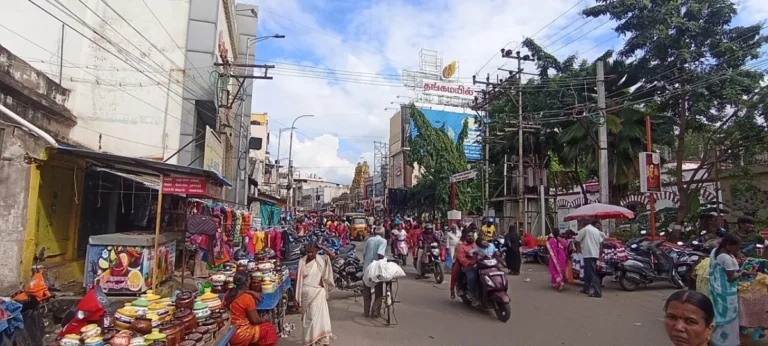
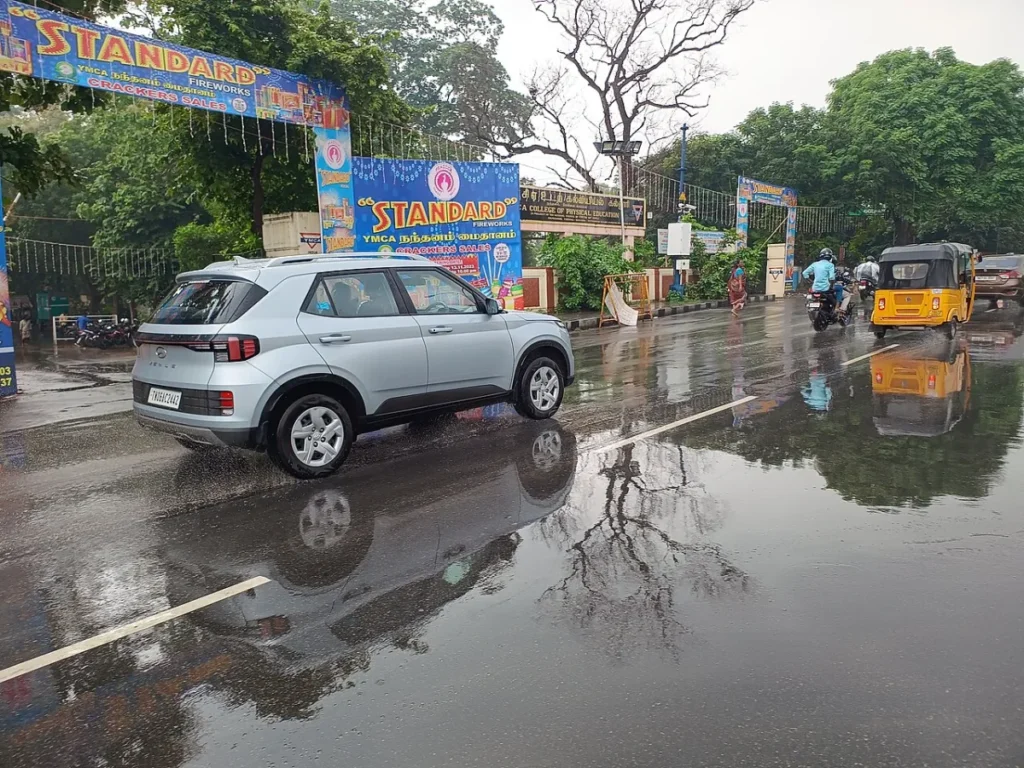
It is two in the morning, the rain has not stopped since evening, and water is creeping under the front door of your ground-floor portion. A monsoon checklist for tenants is of little use at that moment. It works only if you pick it up in September or early October, while the sky is still clear.
This monsoon checklist for tenants is written for people renting a flat, an independent house or a portion house in Chennai. It covers what to check before the northeast monsoon, what to ask your owner to fix, how to keep your family and documents safe during heavy rain, and how to handle damage and rent afterwards. Most of it takes one weekend and very little money.
Table of Contents
Why Chennai tenants should prepare before October
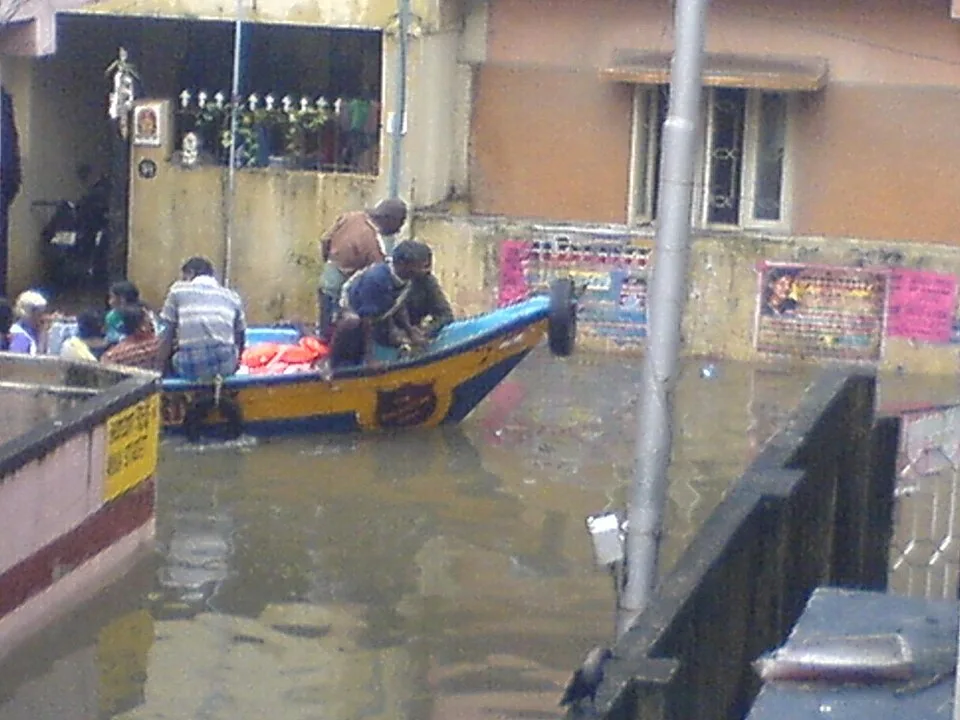
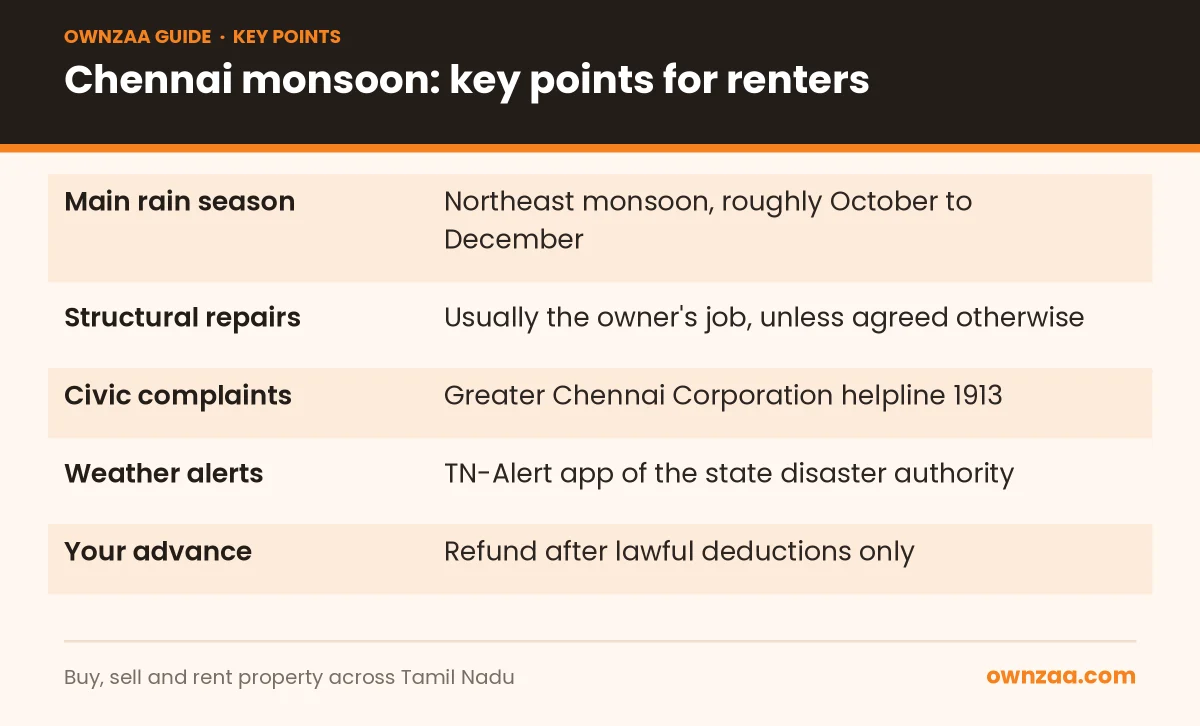
Chennai gets a large share of its yearly rain during the northeast monsoon, roughly October to December. Cyclones and deep depressions in the Bay of Bengal can bring very heavy rain in a few hours. The city saw this in the 2015 Chennai floods and again during Cyclone Michaung in December 2023.
Tenants face a special problem. You live in the house, but you do not control the terrace, the drains or the wiring. If you wait until the first heavy spell, electricians and plumbers are busy and owners are slow to respond. Starting early gives your owner time to act. That is why the monsoon checklist for tenants below starts in September.
There is also a money angle. Damage caused by rain is not the same as damage caused by you. If you record the condition of the house before the season, it is much easier to protect your advance later.
Flood questions to ask before you rent a house in Chennai
If you are still house hunting, the best monsoon protection is choosing well. Many streets in the city have had their road level raised over the years, so older ground-floor homes can sit below the road. Water then flows into the compound instead of away from it.
Ask these questions before you pay any advance for a rented house in Chennai:
- Did water enter this house or the parking area in the last few monsoons? Ask the neighbours too, not only the owner.
- Is the floor of the house higher than the road outside, or lower?
- Is there stilt parking, and does it flood during heavy rain?
- Where does rainwater from the terrace drain, and is the street drain nearby kept clear?
- Is the sump (underground water tank) lid sealed, or can rainwater run into it?
Look for tide marks on compound walls, rusted gate bottoms and fresh paint only on the lower part of walls. These small signs tell you more than a promise. Treat these questions as the first page of your monsoon checklist for tenants. If you are still deciding between a PG, a shared flat or your own 1BHK, our comparison of PG vs shared flat vs 1BHK in Chennai explains the trade-offs, and our full tenant checklist for renting a house in Tamil Nadu covers the paperwork side.
Monsoon checklist for tenants: the 10-point walk-through
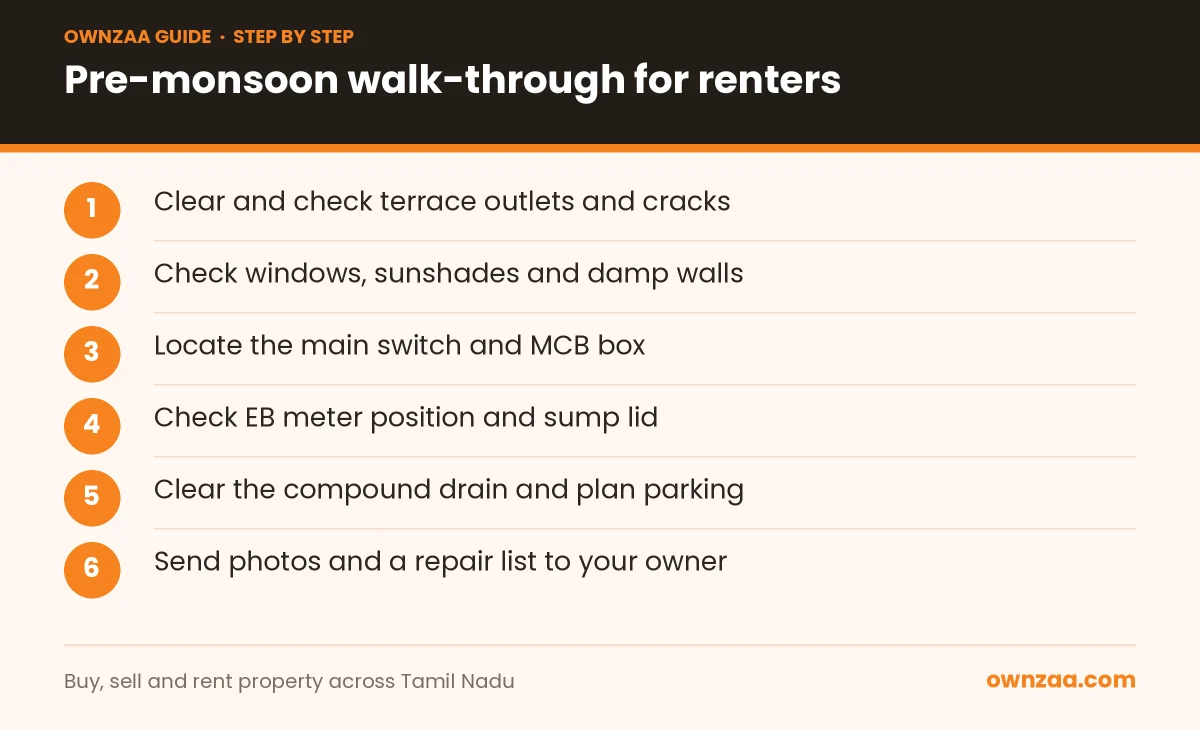
Walk through the house with a torch, a phone camera and a notebook. Do it on a dry day, preferably in September or the first week of October. Photograph everything you check, with the date visible on your phone. The ten checks below are the core of this monsoon checklist for tenants.
- Go up to the terrace. Check that the rainwater outlets are not blocked by leaves, plastic or old cement bags.
- Look at the terrace floor for cracks and loose weathering tiles. These are the usual cause of ceiling leaks in top-floor homes.
- Check the sunshades above windows. Water should drip off their edge, not run back towards the wall.
- Close every window fully. Note any window that does not shut tight or has a broken glass pane.
- Scan inside walls and ceilings for damp patches, peeling paint or white salt marks. Photograph each one.
- Find the main switch and the MCB (circuit breaker) box. Make sure you and every adult at home know how to switch off power.
- Check where the EB meter sits. A meter at ground level in a low compound may need extra care.
- Lift the sump lid and check it closes tightly. Look at the overhead tank lid on the terrace too.
- Check the compound drain and the gap under the gate. Remove anything that could block water flowing out.
- Note where you will keep your two-wheeler or car if the parking area floods.
Share the photos and a short list of problems with your owner the same day. A WhatsApp message with photos is fine, as long as it has a date and a clear list.
Who fixes what: a fair split with your owner
The Tamil Nadu tenancy law (the Tamil Nadu Regulation of Rights and Responsibilities of Landlords and Tenants Act, 2017) splits repairs between owner and tenant through a schedule. Broadly, the owner handles structural and major repairs and the tenant handles minor ones, unless your agreement says otherwise. Our guide to your rights under the Tamil Nadu Tenancy Act explains the split in more detail.
Most items on a monsoon checklist for tenants end up as polite requests to the owner. In practice, most monsoon repairs fall on the owner’s side. The table below shows the usual pattern. Always check your own agreement first.
| Problem | Usually handled by | What you should do |
|---|---|---|
| Terrace cracks, roof leaks | Owner | Report with photos before October |
| Blocked terrace outlet | Owner or shared, by agreement | Clear leaves if safe; report if blocked inside |
| Faulty wiring, damp switchboard | Owner | Stop using it; ask for an electrician |
| Fused bulb, loose tap washer | Tenant | Fix it yourself |
| Broken window glass | Depends on cause | Report quickly; agree in writing |
| Sump lid not sealing | Owner | Report; keep drinking water separate |
Keep the tone friendly. Owners usually respond well to a clear message such as: “Sir, before the rains, these three items need attention. Photos attached. Can we fix them this week?” If a major problem is ignored and the house becomes hard to live in, the Act lets a tenant claim a reduction in rent where accommodation or services deteriorate, and approach the Rent Authority if you cannot agree.
Electrical safety during heavy rain
Electricity is the biggest danger during Chennai floods. Water and live wires kill quietly, so no monsoon checklist for tenants is complete without a power plan. Keep these rules simple and share them with everyone at home, including older parents and children.
- If water starts entering the house, switch off the main supply before it reaches plug points.
- Never touch a switch, meter or appliance with wet hands or while standing in water.
- Keep the inverter or UPS battery on a raised stand, away from the floor.
- Stay away from fallen wires, street poles and open transformer boxes on the road.
- Report fallen lines and power problems to the Minnagam helpline of the state power distribution company (94987 94987) or the number printed on your EB card.
Ask your owner whether the house has an RCCB (residual current circuit breaker), a device that cuts power when current leaks to earth. If not, ask whether a licensed electrician can add one. It is a small cost compared to the risk. For billing questions about sub-meters and shared connections, see our guide to the EB bill for tenants in Tamil Nadu.
Keep drinking water safe: sump, tank and cans
Floodwater is dirty water. If it enters your sump, the water pumped to your overhead tank is no longer safe to drink. Many Chennai homes get Metro Water supply into a sump, and a loose lid is all it takes. Keep the sump on your monsoon checklist for tenants even if you live upstairs.
Before the season, ask the owner to seal the sump lid and check that the sump wall is not cracked near ground level. Store enough drinking water for a few days in clean cans. During and after flooding, boil water or use packaged water until the sump and tank are cleaned.
If your building shares one sump across portions, agree with the other tenants and the owner on who will arrange cleaning after the rains. Put the plan in the building WhatsApp group so nobody is confused later.
Protect your documents, valuables and vehicle
Most monsoon losses for tenants are not the house. They are phones, laptops, papers and vehicles. A little planning keeps these safe, and it costs almost nothing. Scanning your papers is the cheapest item on any monsoon checklist for tenants.
| Item | Before the rains | During heavy rain |
|---|---|---|
| Rent agreement, advance receipt, ID | Scan to your phone and email | Keep originals in a zip-lock bag |
| Laptop, TV, electronics | Plan a high shelf or upper floor | Unplug and lift off the floor |
| Mattresses, rice, grains | Buy a few plastic crates | Move to a higher level |
| Two-wheeler or car | Identify higher parking nearby | Move early, not when water rises |
| Cash and medicines | Keep a small reserve at home | Keep them in your emergency bag |
Your scanned rent agreement matters more than you think. After a flood you may need it for insurance, a bank, or a discussion about rent and repairs. Check also whether your agreement has been informed to the Rent Authority on the Tamil Nadu tenancy registration portal, as the Rules require within 90 days.
Build a small emergency kit for your rented home
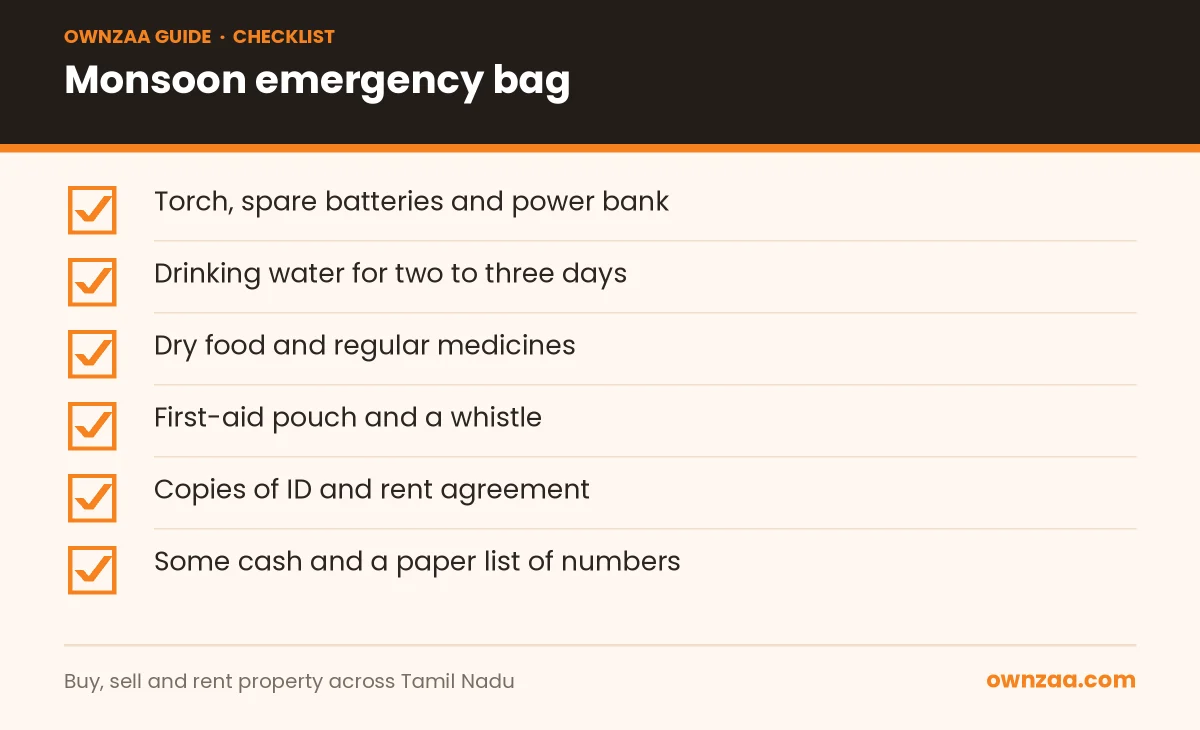
You do not need a big survival kit. One strong bag with the right items, kept in a known place, is enough for most families. Pack it by the second week of October, before the northeast monsoon reaches its peak. This bag is the last item on your monsoon checklist for tenants.
- Torch with spare batteries, and a charged power bank.
- Drinking water and dry food such as biscuits, rusk or poha for two to three days.
- Regular medicines, a basic first-aid pouch and a thermometer.
- Candles, a matchbox kept in a plastic cover, and a whistle.
- Copies of ID, rent agreement and important phone numbers on paper.
- Some cash, since card machines and UPI may not work during outages.
Write your owner’s number, a neighbour’s number and the helplines on one sheet and stick it inside a kitchen cupboard. Phones die. Paper does not.
During heavy rain: stay informed, stay safe
Follow official alerts instead of forwarded messages. The Tamil Nadu State Disaster Management Authority runs the TN-Alert app for weather warnings. For civic problems such as waterlogging or fallen trees, Greater Chennai Corporation takes complaints on its 1913 helpline and through its official website.
District disaster control rooms are commonly reached on 1077. Save these numbers before the season, not during it.
Do not walk or ride through flowing water. Open drains and manholes are invisible under it. If your ground floor floods, move your family to the terrace or a neighbour’s upper floor early, while it is still easy to move.
After the rain: damage, rent and your advance
The monsoon checklist for tenants does not end when the rain stops. Once the water goes down, photograph every room before cleaning. Note damaged walls, doors, fittings and furniture that belong to the owner. Send the photos with a short written note the same day.
Damage from flooding is not the same as damage caused by a tenant. Discuss it openly and record what you both agree, such as who pays for repainting or a swollen door. This protects your security deposit (advance) when you vacate. Our guide on how to get your rent advance back in Tamil Nadu explains deductions and the refund process.
If the house stays unusable for days, talk about a rent adjustment. Some owners agree to a partial waiver for that month. Put any agreement in writing, even a simple message both of you confirm.
Planning your next move with the monsoon in mind
If this season showed that your current rented house in Chennai floods every year, use the dry months to look for a better option. First-floor portions, buildings with raised plinths and streets with working storm drains are worth a slightly higher rent for many families.
When you browse houses and flats for rent, visit shortlisted homes after a heavy shower if you can. Standing water on the approach road tells you what November will look like. Carry the same monsoon checklist for tenants to every rented house in Chennai you visit. You can also explore listings by area on our Chennai property page and call owners directly with your flood questions.
Frequently asked questions
When should I use a monsoon checklist for tenants in Chennai?
Use it in September or the first week of October, before the northeast monsoon sets in. That gives your owner two to three weeks to fix terrace cracks, drains and wiring. If you move into a new rented house during the season, do the walk-through on your first dry day and share photos with the owner immediately.
Can my owner deduct flood damage from my advance?
The Act allows refund of the security deposit after lawful deductions, such as unpaid dues or damage you caused. Flooding is usually not the tenant’s fault. Photos taken before and after the rains, plus written messages, make it much easier to show that the damage came from the weather and not from careless use.
Who pays to fix a leaking roof in a rented house?
Roof and terrace leaks are structural, so they usually fall on the owner under the Act’s repair schedule, unless your agreement says otherwise. Report the leak in writing with photos. If nothing is done and the house becomes hard to live in, you can ask for a rent reduction and approach the Rent Authority if you cannot agree.
Should I switch off power when water enters my house?
Yes. Switch off the main supply as soon as water starts entering, before it reaches plug points or extension boards. Do it with dry hands while standing on a dry surface. Do not switch power back on until the floor is dry and, ideally, an electrician has checked the wiring and the switchboards.
What should a monsoon checklist for tenants include?
At minimum: terrace outlets and cracks, window seals, damp walls, the main switch and MCB box, the EB meter position, the sump and tank lids, the compound drain, a parking plan, a small emergency kit and scanned copies of your rent agreement and ID. Photograph each check and share the problems with your owner in writing.
Is a monsoon checklist for tenants useful if I live on an upper floor?
Yes. Upper-floor tenants rarely face water entering the house, but they still face roof leaks, seepage through walls, power cuts, a contaminated sump and flooded parking. Top-floor flats are the most exposed to terrace cracks. Your emergency bag, document scans and a parking plan matter as much on the third floor as on the ground floor.
Next steps before the rains arrive
Pick a dry weekend, do the 10-point walk-through, and send your owner one clear message with photos. Pack the emergency bag, scan your documents and save the helpline numbers. That is most of this monsoon checklist for tenants done in a day.
If you are planning a move, read our tenant checklist for Tamil Nadu first. Then browse verified and owner-direct rental listings on OWNZAA, where you can call or WhatsApp owners directly and ask about flooding before you visit. OWNZAA charges tenants no commission, so your money goes into rent and advance, not brokerage.
This guide is general information, not legal or tax advice. Rules and fees change — confirm current details on the official portals linked above or with a qualified advocate/chartered accountant before you act. Information checked: September 2026.
Image credits: top photo — Rain-Soaked-Anna Salai-Chennai-Tamil-Nadu-India by N. Vivekananthamoorthy, CC BY 4.0, via Wikimedia Commons (resized); in-article photo — A Rainy Day in Chennai -) (3113122679) by Ashwin Kumar from Bangalore, India, CC BY-SA 2.0, via Wikimedia Commons (resized); infographics — OWNZAA.
Ready to find your next property?
Browse verified listings for sale and rent across South India, or post your own property — your first listing is free.